Leakey Journeys & Expeditions
The Koobi Fora Research Project
Five decades of discovery on the eastern shores of Lake Turkana — where the sediment holds the oldest chapters of the human story.
Leakey Journeys & Expeditions
Five decades of discovery on the eastern shores of Lake Turkana — where the sediment holds the oldest chapters of the human story.
Origins
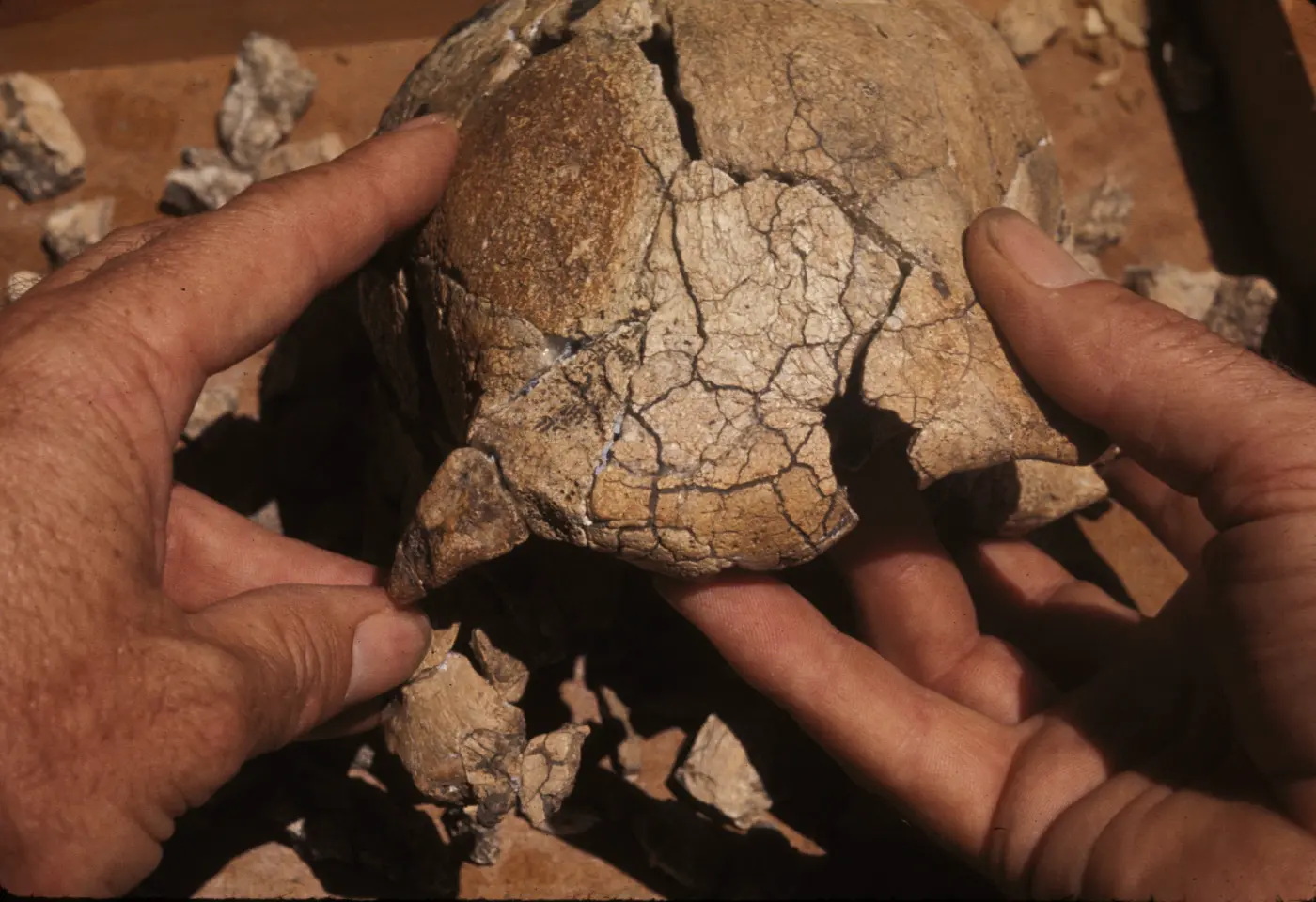
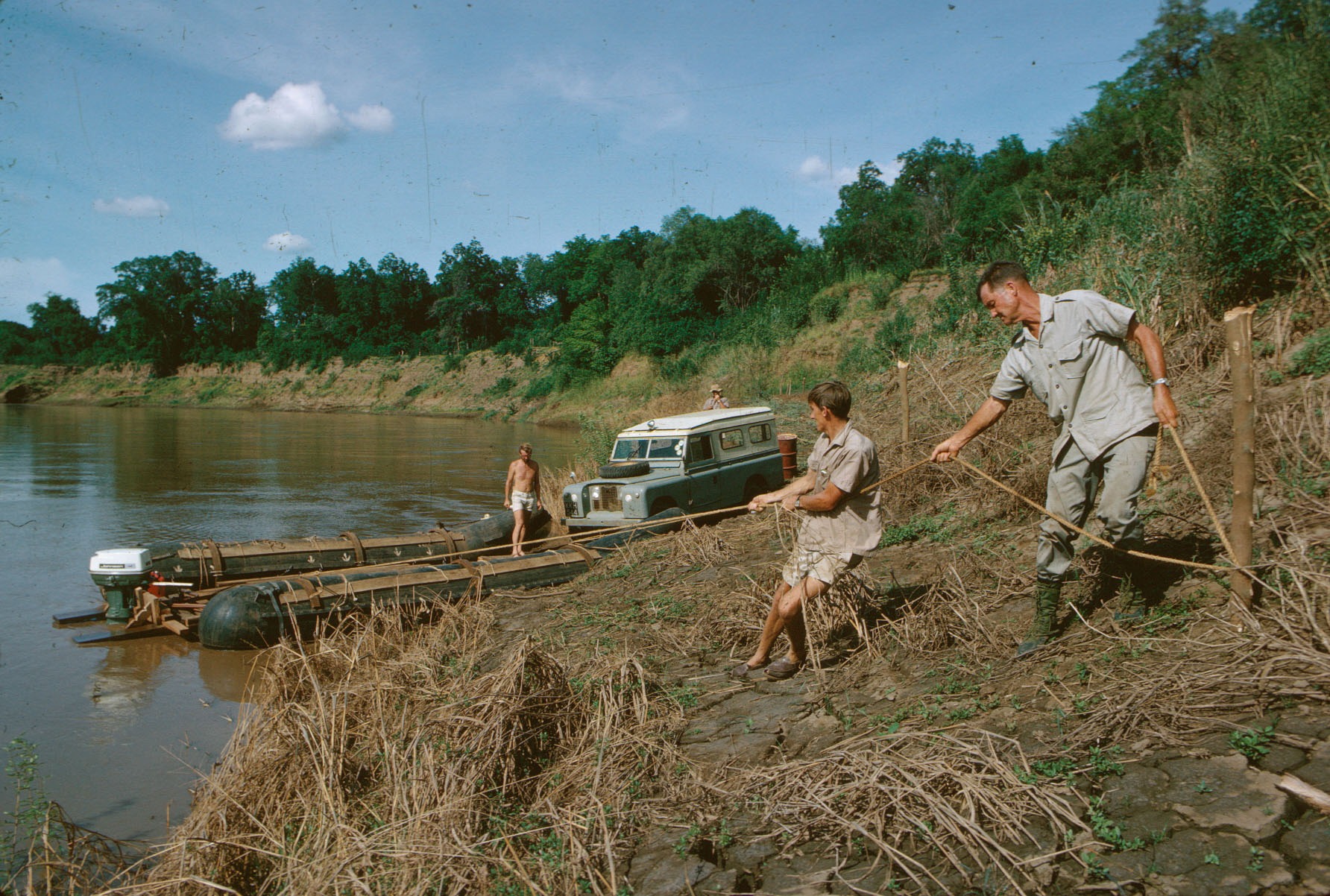
In 1967, Louis Leakey dispatched Richard to lead a Kenyan expedition to the Lower Omo Valley in southern Ethiopia. The team had to cross the muddy waters of the Omo River and fend off agressive crocodiles, to reach the exposures of interest in the Shungura Formation. That year the team recovered two skulls ,which are now recognised as some of the earliest fossil remains of our own species, Homo sapiens.
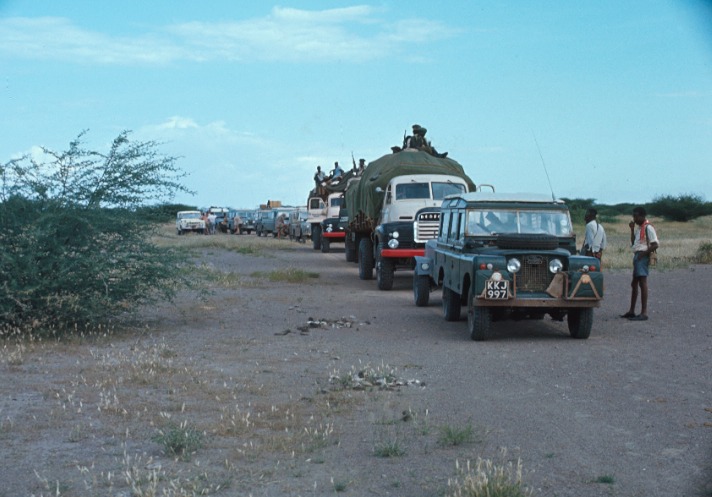
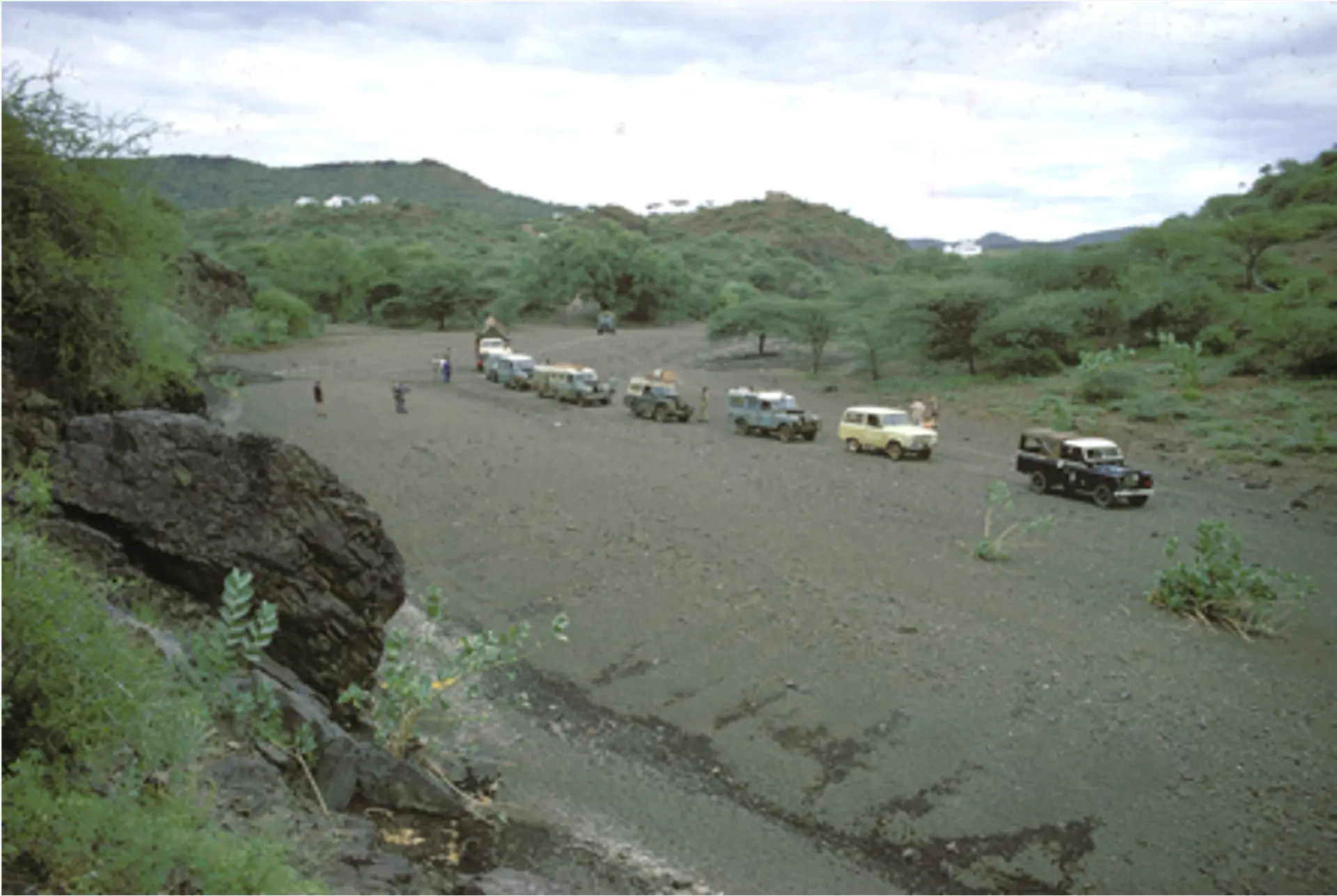
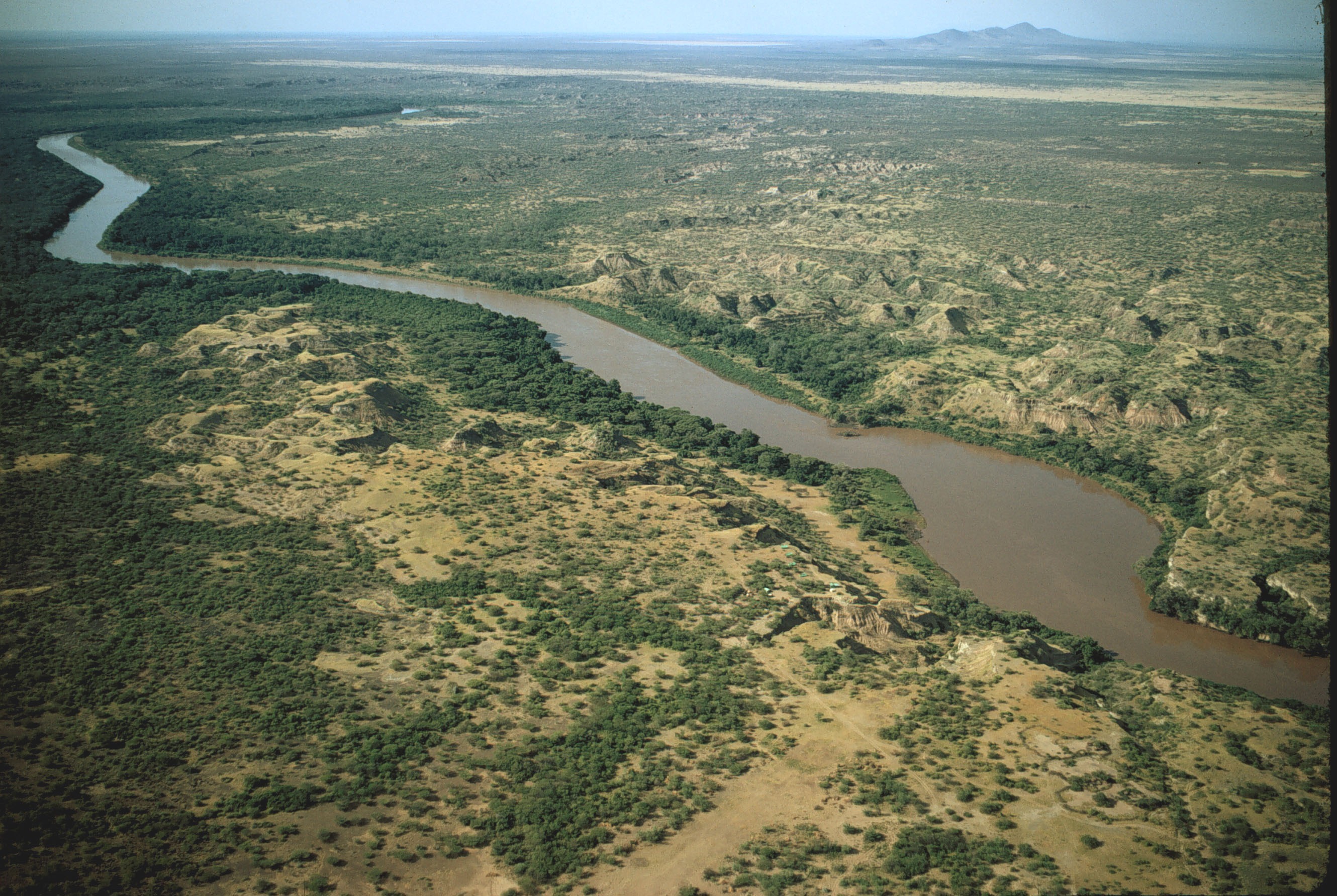
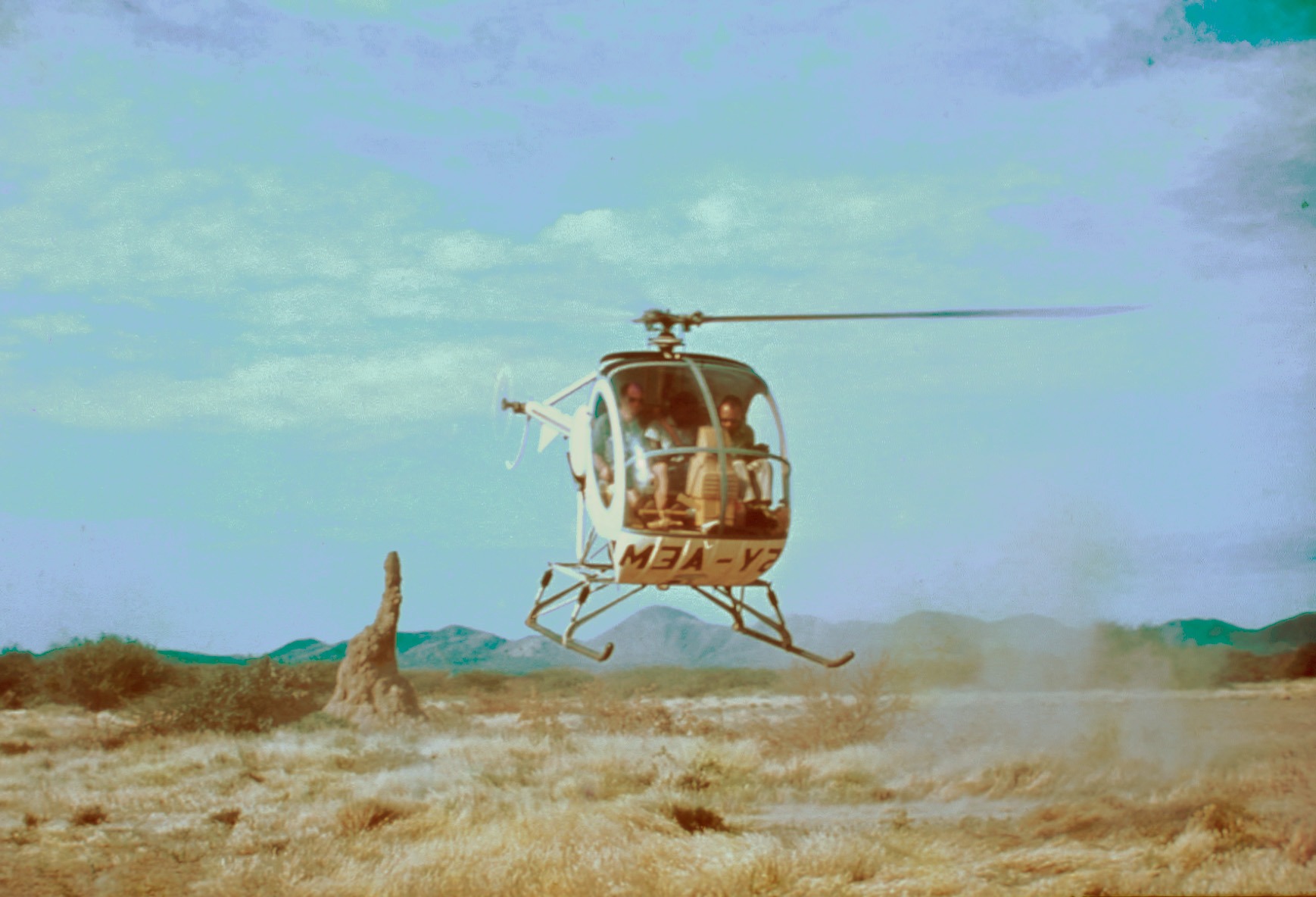
While piloting himself up the eastern shores of Lake Turkana in a small aeroplane, Richard Leakey spotted potential exposures below him. Weeks later he was able to confirm that these were indeed rich fossil sites, when he landed in a helicopter, near Ileret. The following year he led his first expedition up the eastern shores of Lake Turkana, marking the beginning of the next six decades of exploration in the Turrkana Basin.
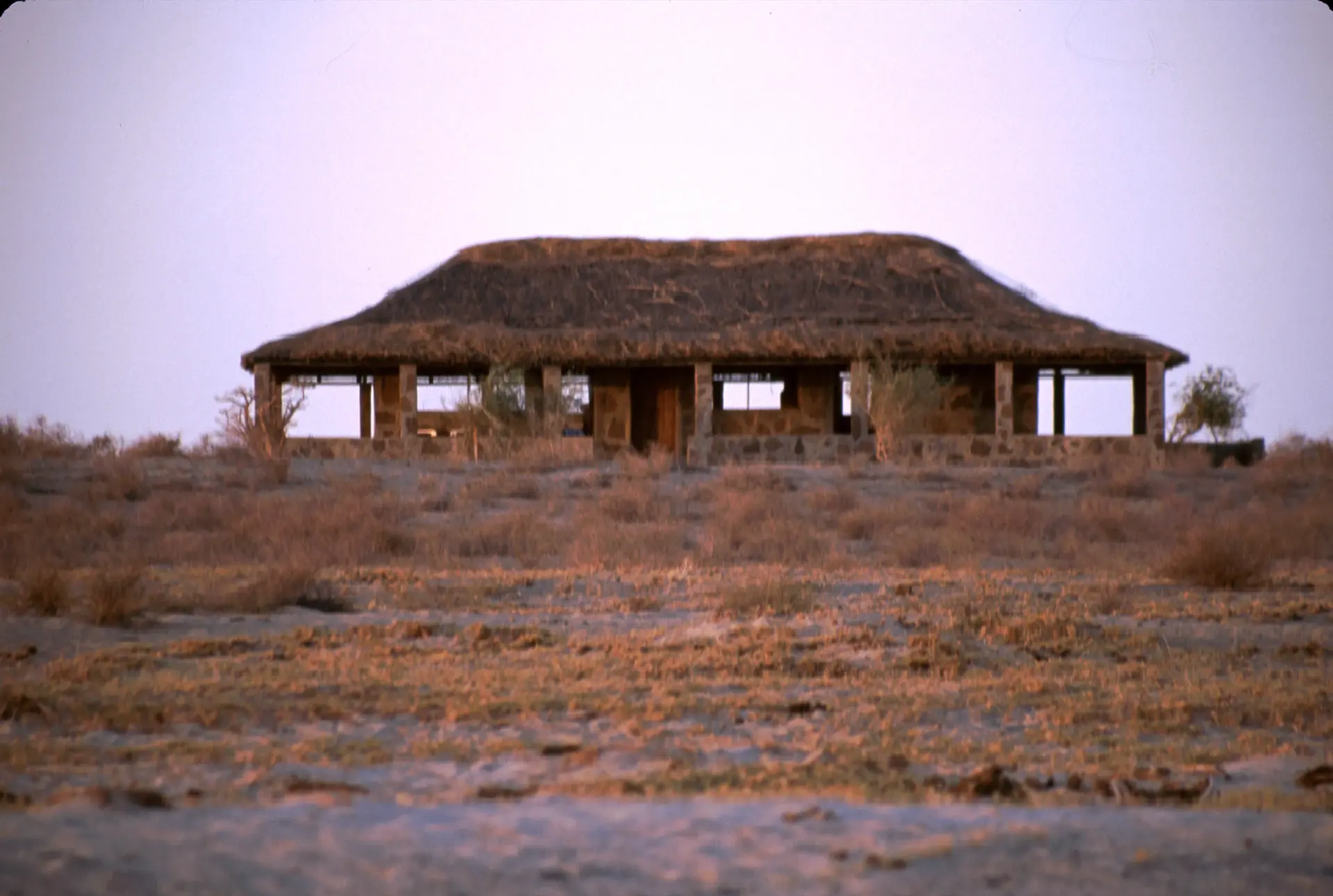
In the early 1970's Richard and Meave Leakey, with Kamoya Kimeu, established a base camp at Koobi Fora and in the following years the team made numerous significant discoveries that would reshape our understanding of human origins.
Today, research in the paleosciences continues in the Turkana Basin, with new generations of scientists and multiple teams of fossil hunters who continue to reveal the extraordinary story of our past.
Research Archive · Koobi Fora
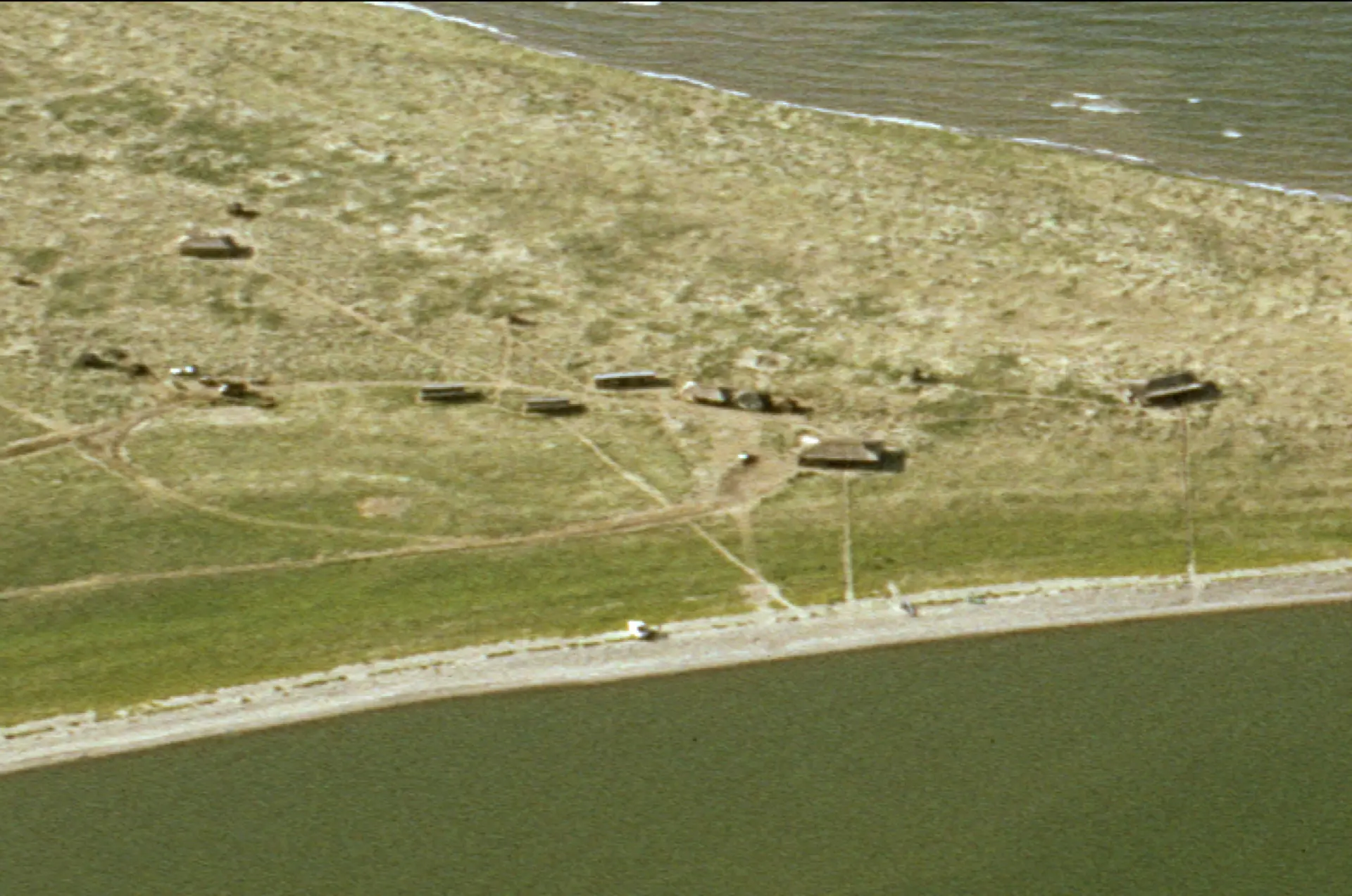
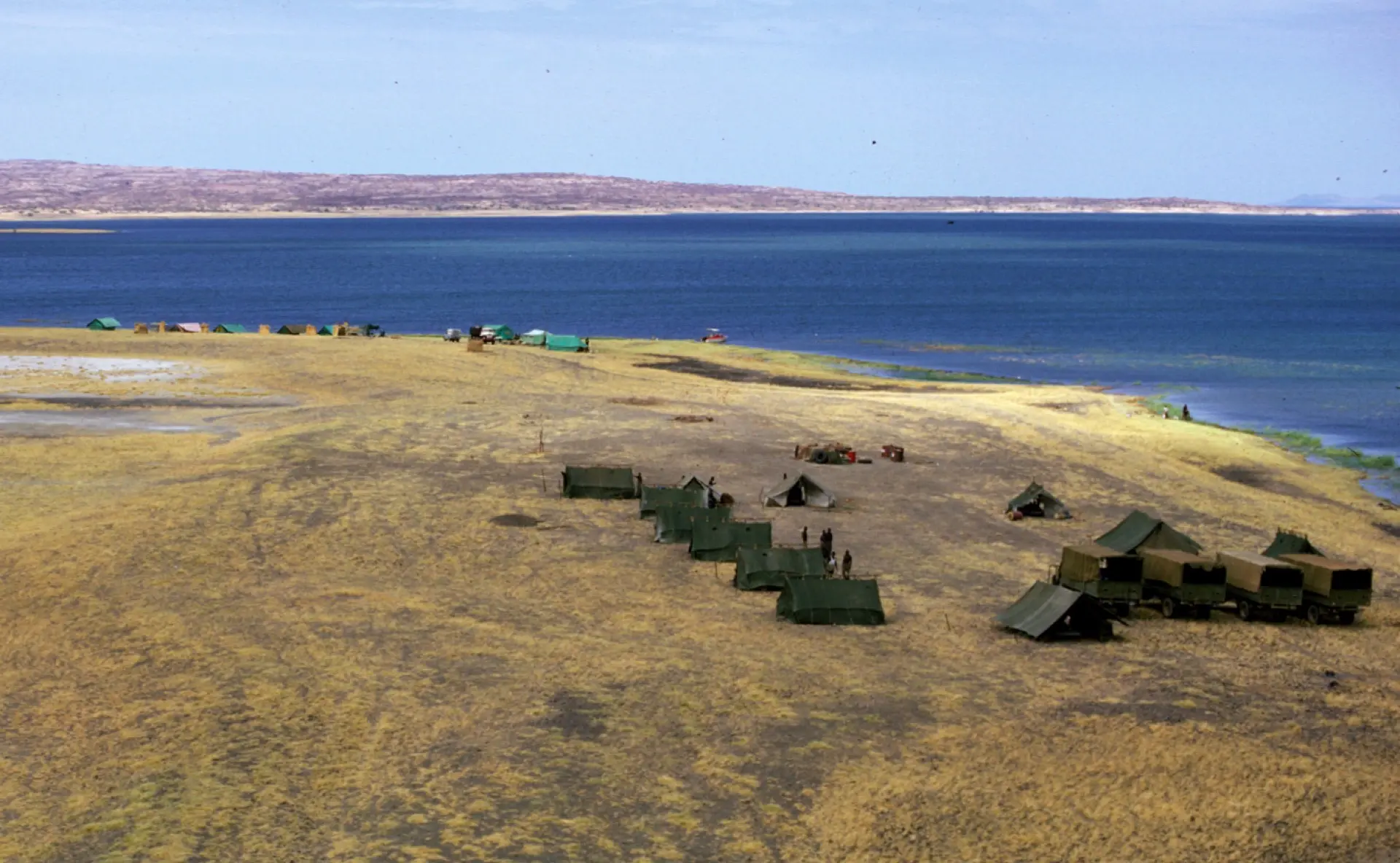
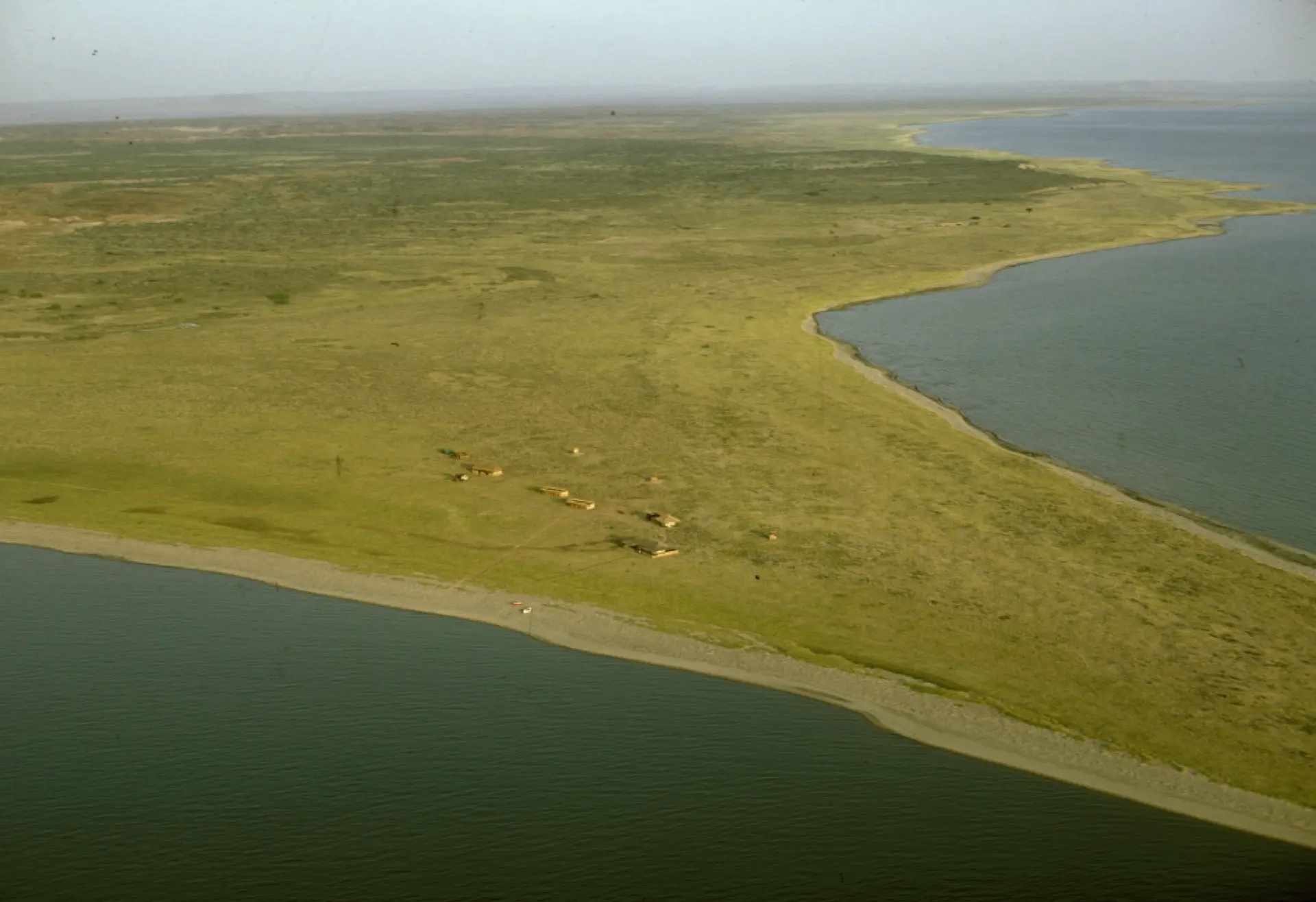
In 1968, Richard Leakey set up camp near Alia Bay, on the eastern shores of Lake Turkana. Some initial promising discoveries that year, led him to return with a team in 1969, to set up a simple base camp on the sandy spit at Koobi Fora. Thus began the long term Koobi Fora Research Project, that would become legendary.in its contributions to our understanding of human origins.
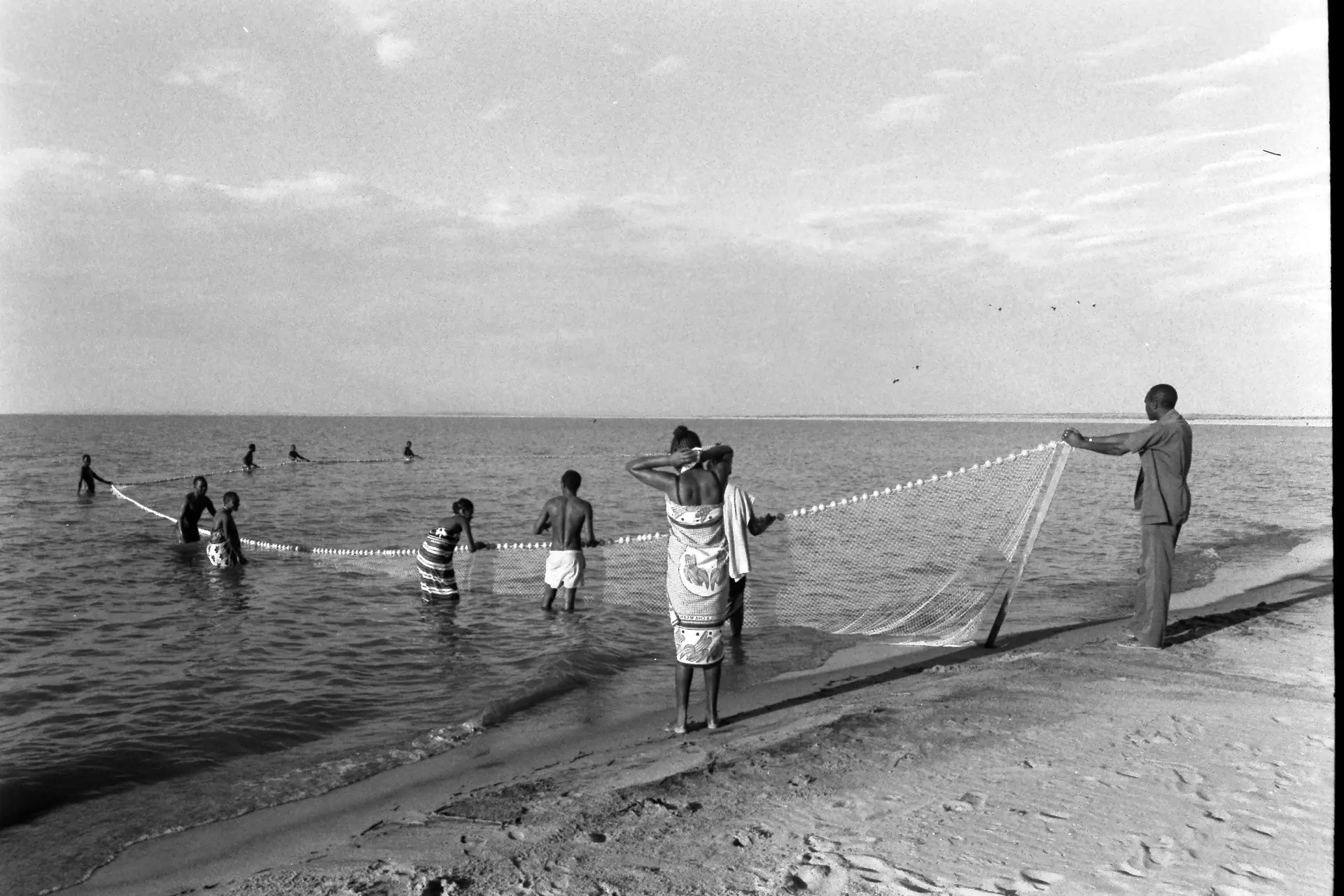
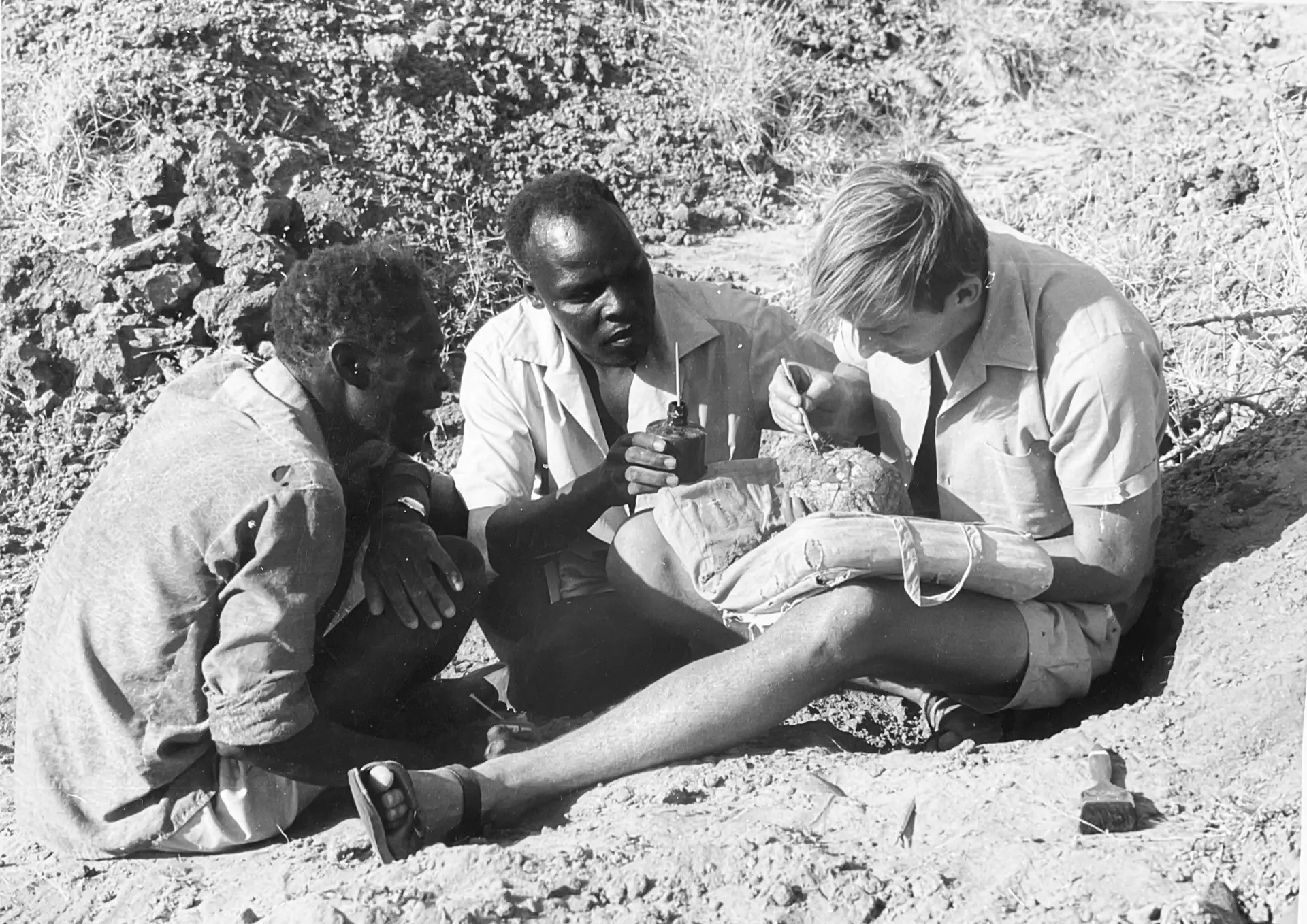
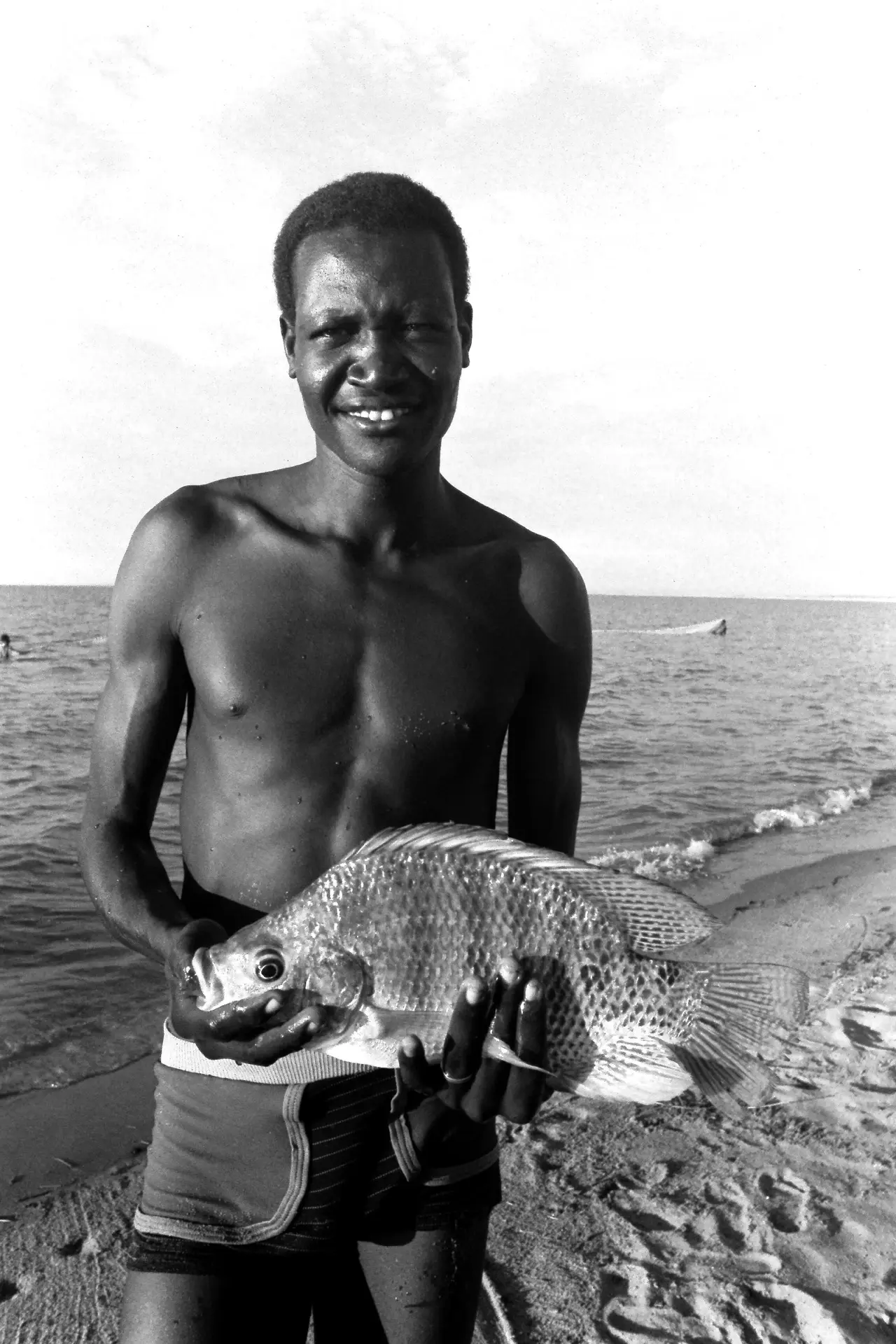
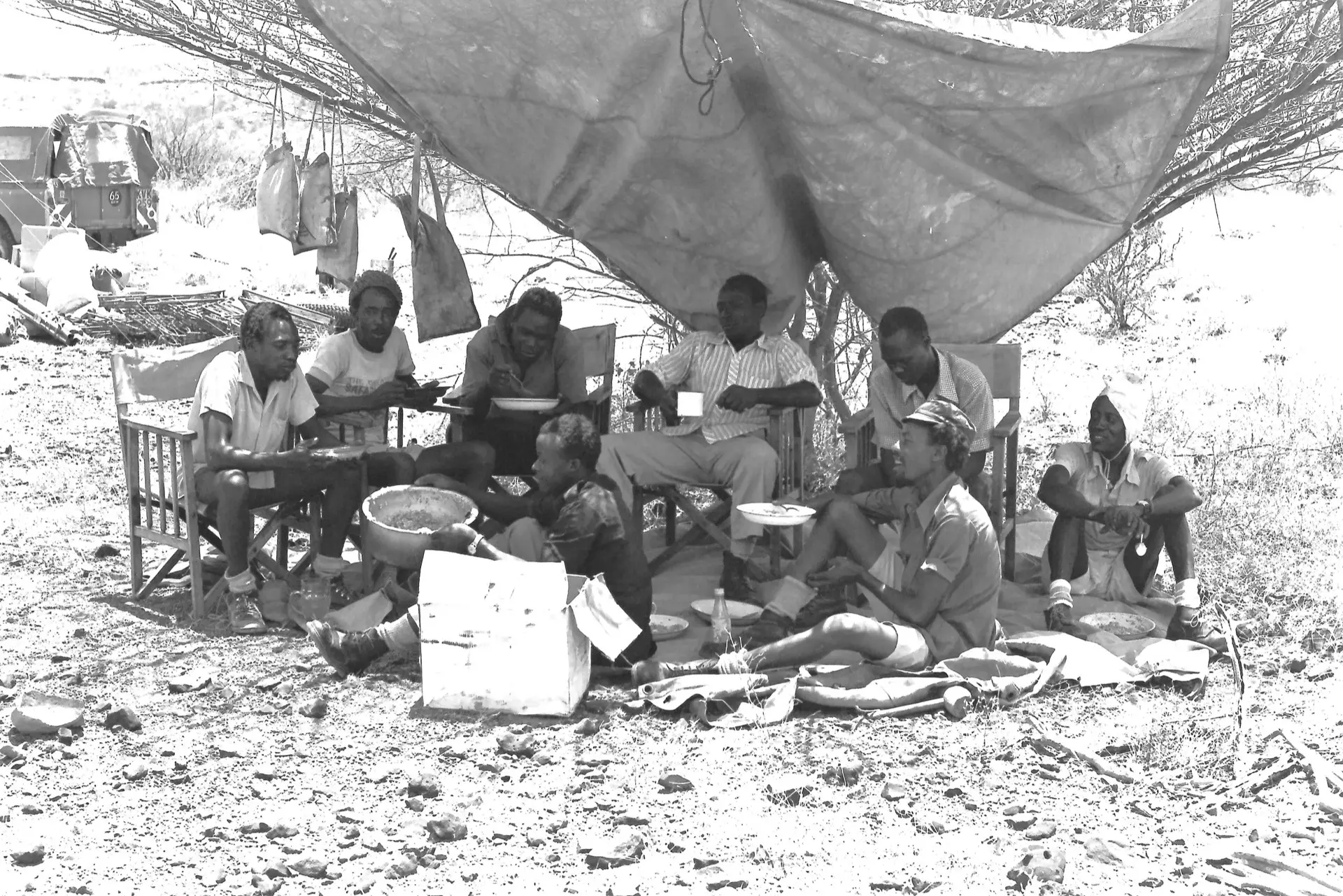
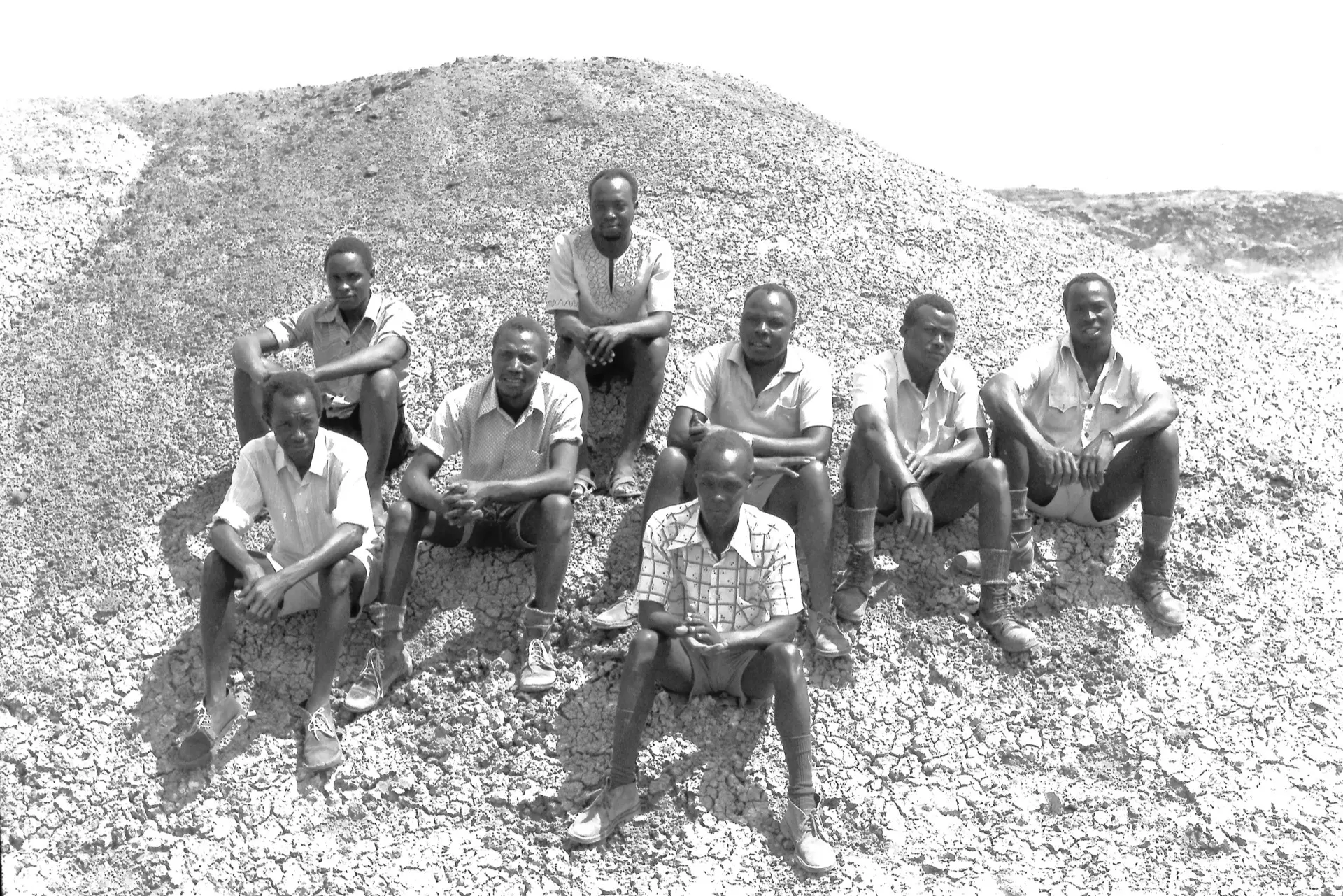
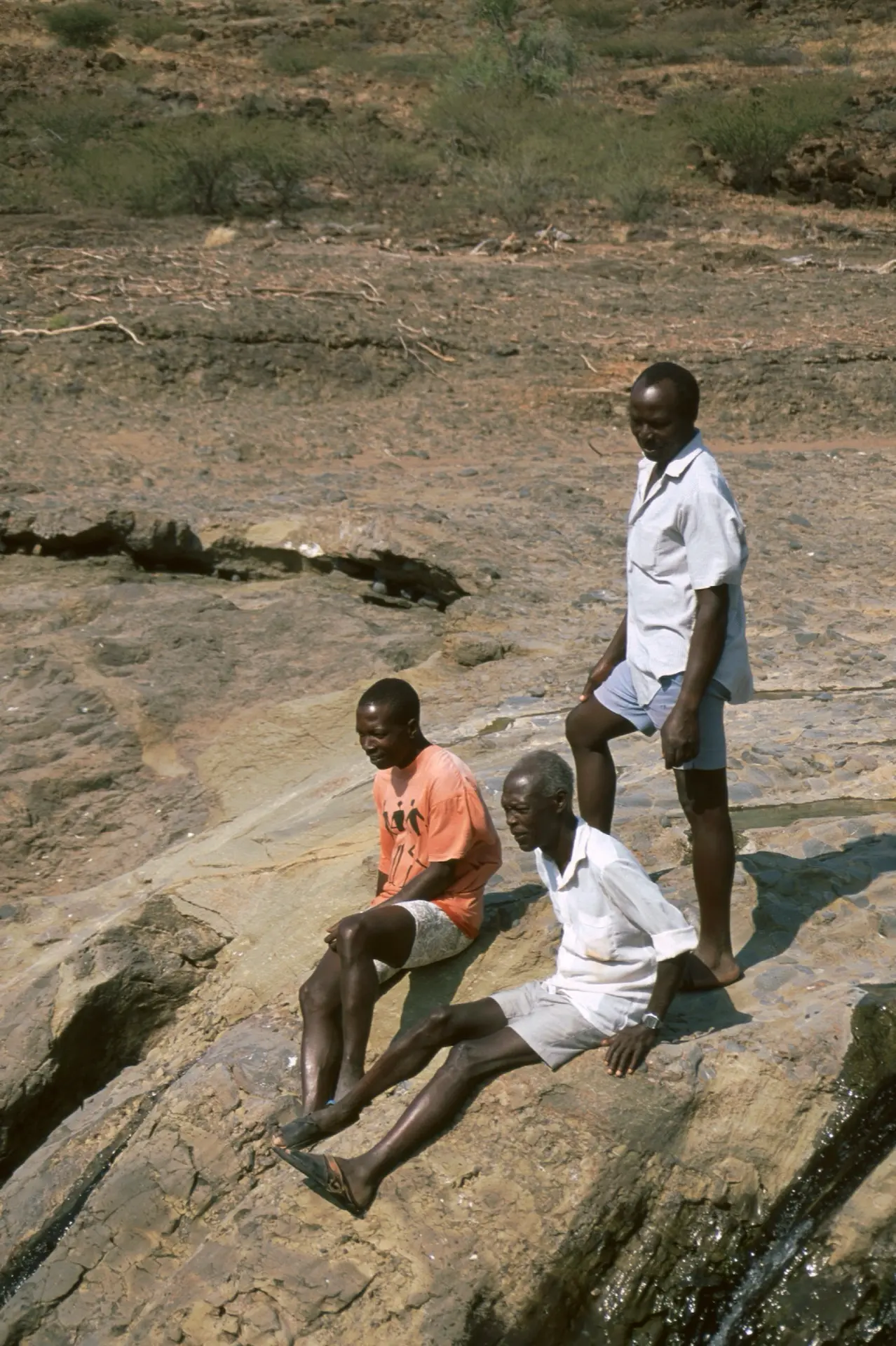
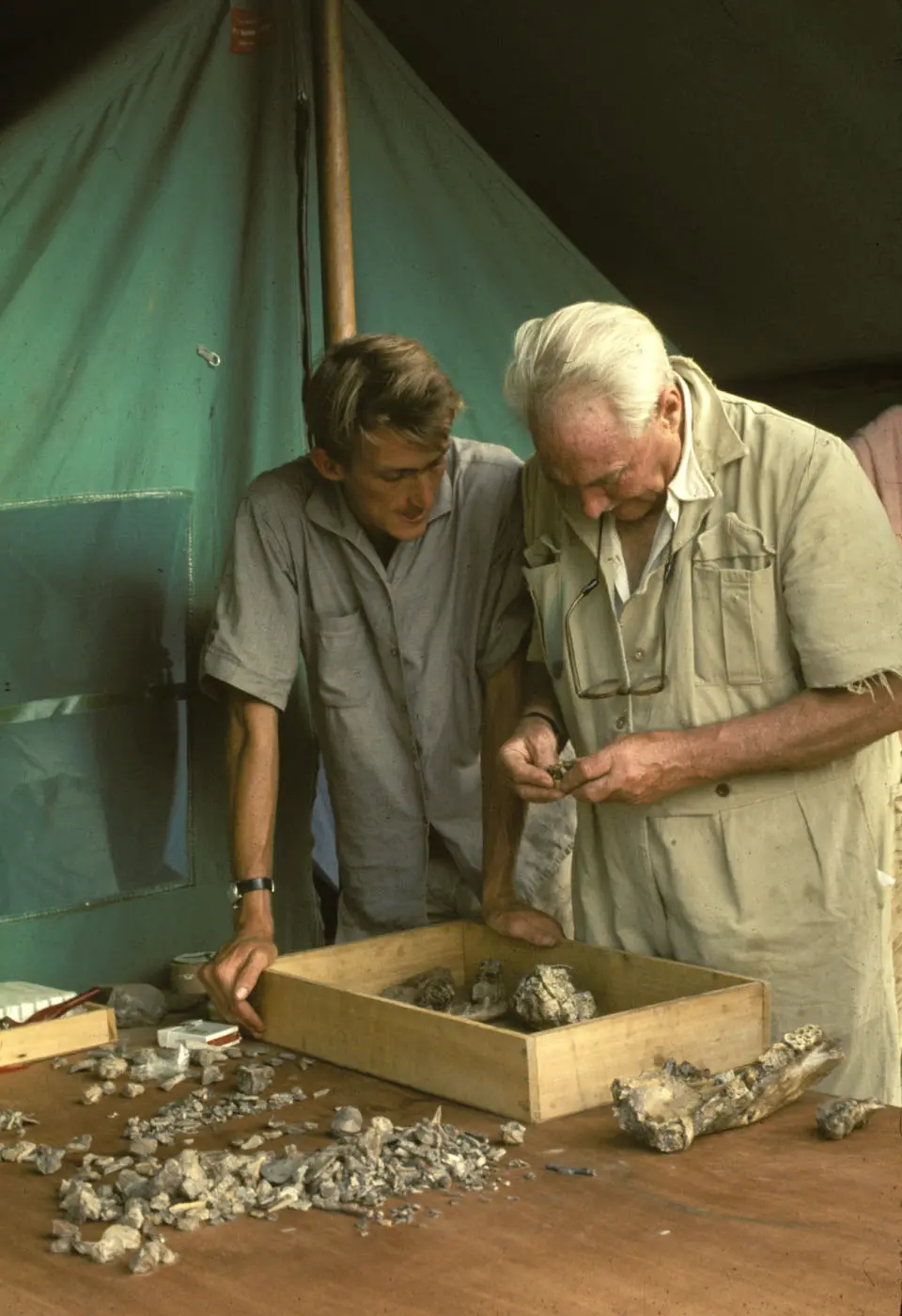
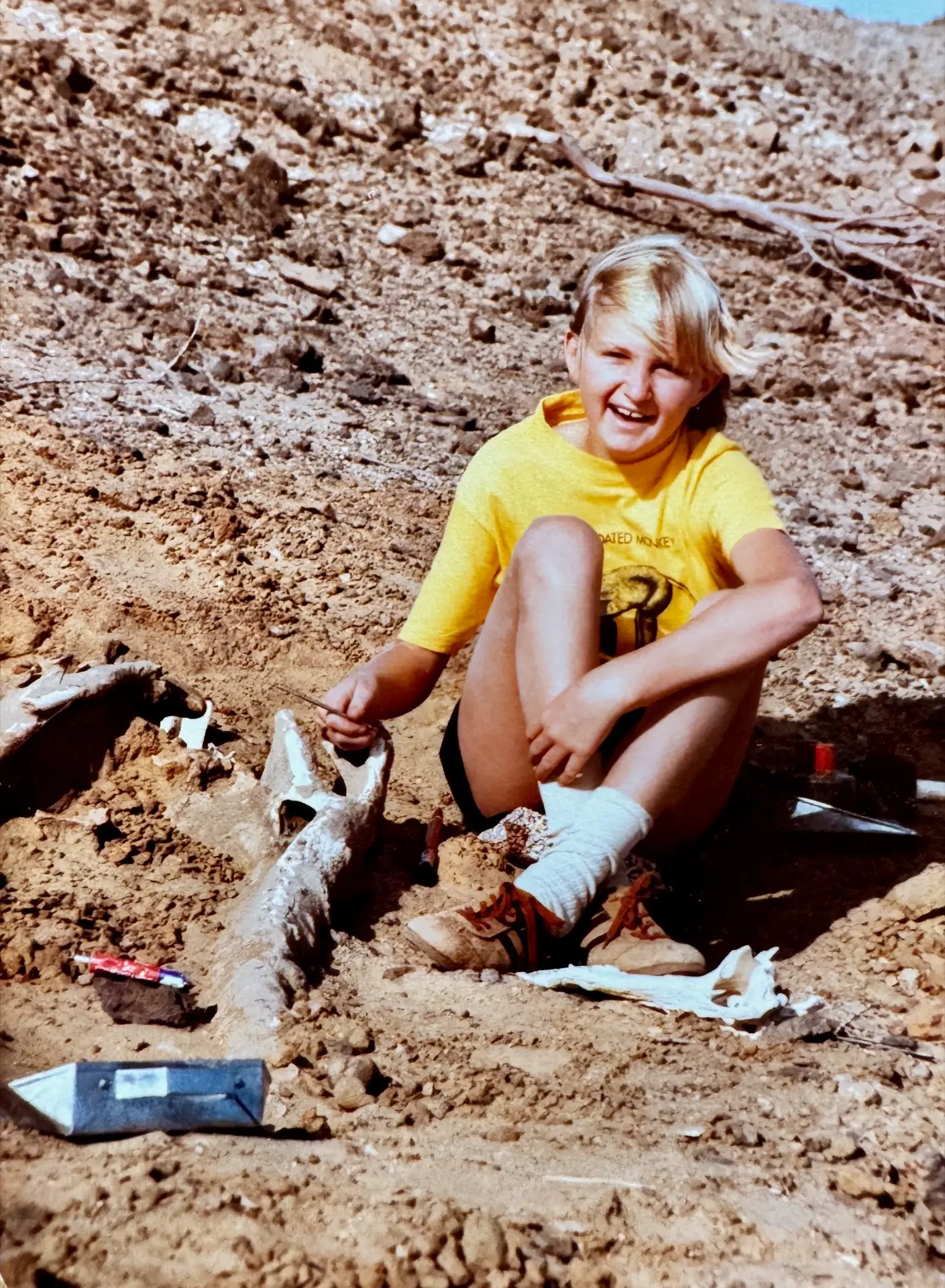
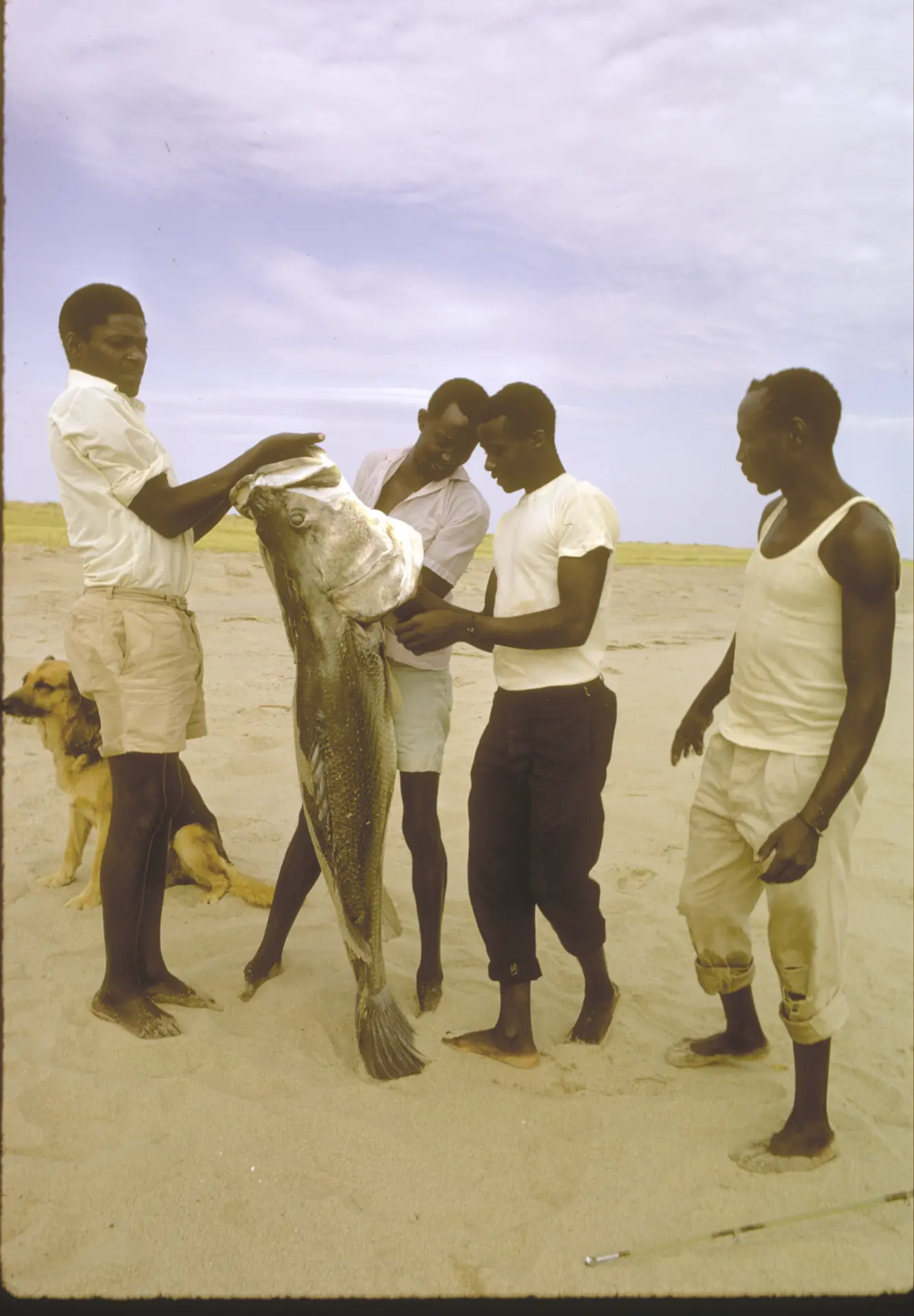
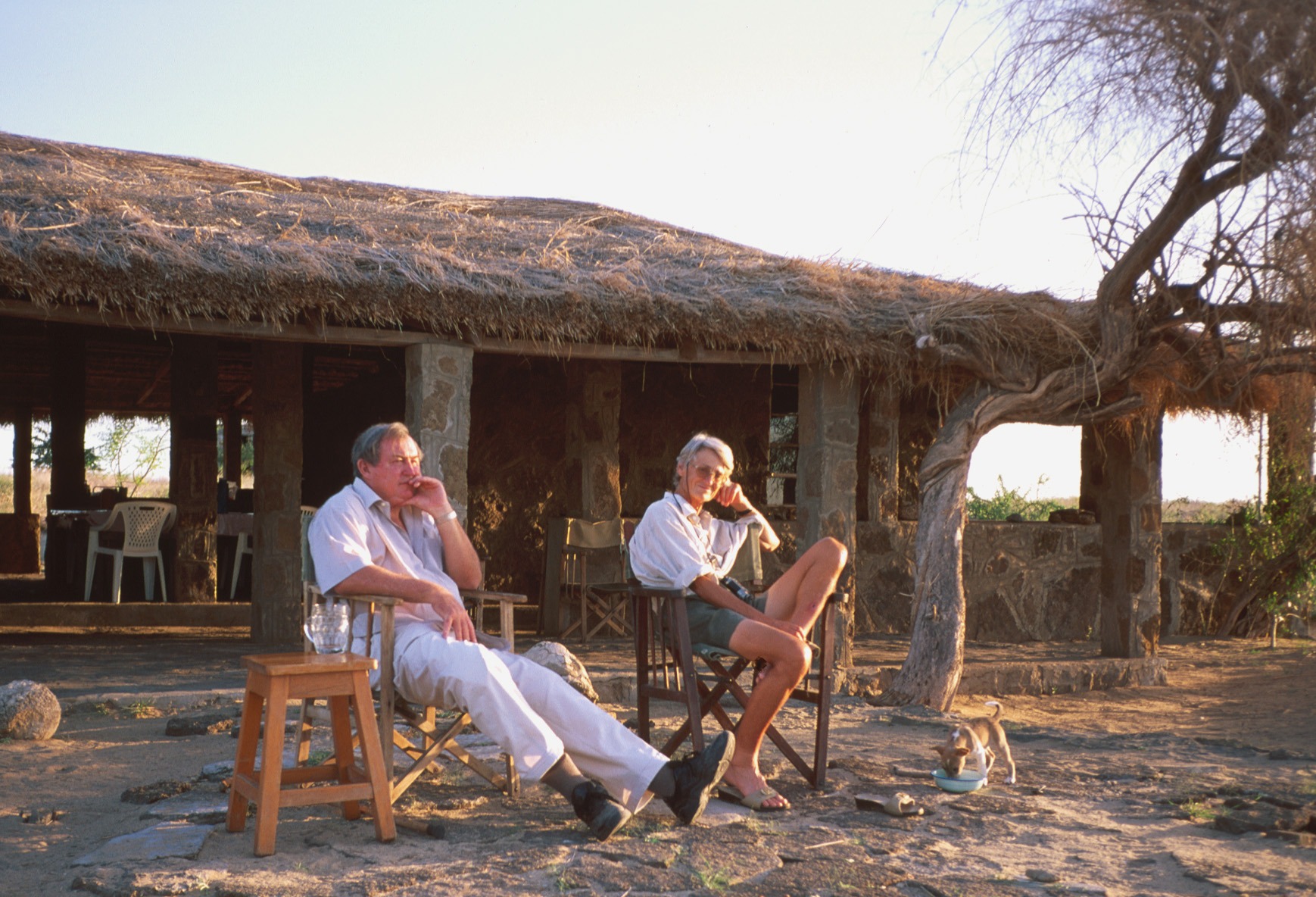
Koobi Fora camp life was simple, a dip in the lake in the evenings, catching fish in a net for food, telling stories under the stars and discussing the days finds by the light of a pressure lantern over dinner. The "Hominid Gang," led by Kamoya Kimeu, made many remarkable fossil discoveries throughout the 1970's.
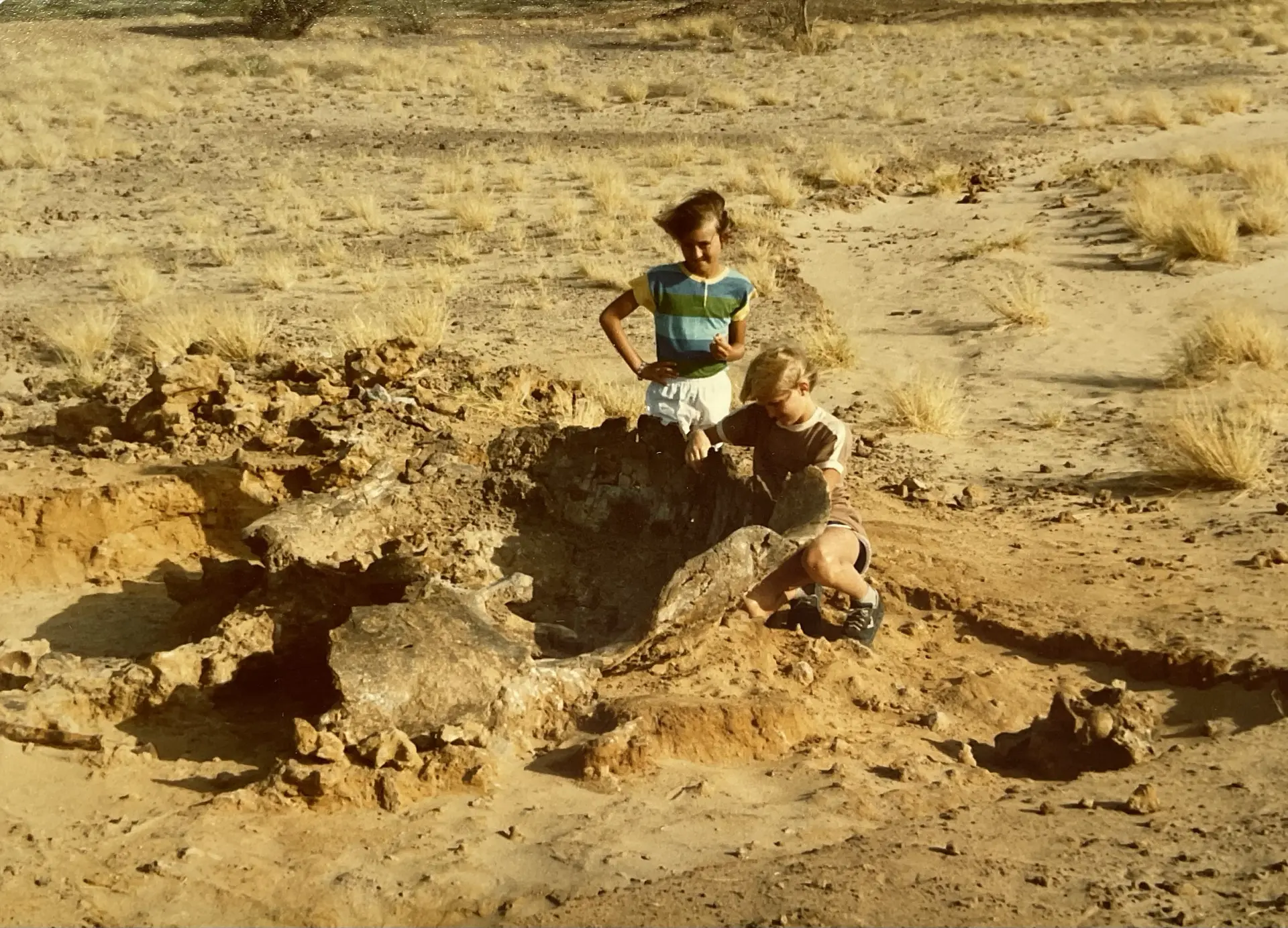
Meave Leakey took the reins of the Koobi Fora Research Project from Richard Leakey during the mid 1980's and the team moved to explore the western side of the Lake Turkana Basin. Significant discoveries continued to be made including the almost complete Homo erectus skeleton, called the Turkana Boy. This was discovered by Kamoya Kimeu at Nariokotome. New species were named including Kenyanthropus platyops from Lomekwi and Australopithecus anamensis from Kanapoi. Louise Leakey joined the team in 1993, to assist with the logistics and to pilot the small aircraft to and from the field sites and Nairobi. When the team moved back to resurvey the fossil deposits on the eastern shores in the 2000's, Louise joined Meave in leading the expeditions.
Alongside the recovery of fossil remains, there has been a mammoth effort to understand the geological and stratigraphic context of the region. Samples of ash and sediment were collected for dating and for geochemical analyses. Geological sections and fault lines were mapped and collection areas were defined to make it easier to record where discoveries were made. The regions many volcanic ash layers allow scientists to establish ages of fossils by placing them relative to the radiometrically dated ash deposits. This important geological framework essential for correlating evolutionary events across East Africa and beyond.
The Koobi Fora Research project spends eight to ten months a year in the field exploring. The next generation "Hominin Gang" of fossil hunters is comprised of men and women from the communities that we work alongside. Their dedication and commitment contiues to produce remarkable finds. We collaborate with international scientists to study, describe and publish these important fossils. This fieldwork is supported by grants from National Geographic Society, the Turkana Basin Institute, as well as contributions from generous friends and supporters who collectively keep our boots on the ground each year.
Operating in the remote north of Kenya has been made considerably easier with the establishment of the Turkana Basin Institute, with operational bases on both the east and west side of the lake. Multiple teams are able to run their field seasons from here, supported by trained teams of fossil hunters, hire of field equipment and vehicles, as well as laboratories to prepare, house and study fossil and archeological collections.
This important work continues to inspire the world with the story of our collective origins. The legacy of the Koobi Fora Research Project endures, shaping our understanding of where we all come from.
The Archive
"The wind, the sand, the fossils — Lake Turkana is a place where the past is always just beneath your feet."
Richard Leakey · Field Notes, 1972
Visual Archive
Hover any photograph to enlarge. Each image a fragment of five decades of fieldwork.









Research Materials